Nejlepší materiály pro příbory: Nerezová ocel vs. stříbřené vs. titan – Kompletní průvodce
By Year & Day | Published: 2026-07-16
Category: Recenze produktů
Porovnejte nerezovou ocel, postříbřené a titanové příbory a najděte ten nejlepší materiál pro váš stůl. Zjistěte více o odolnosti, údržbě a stylu s odbornými radami.
Výběr správného příboru může proměnit váš zážitek ze stolování, ale s tolika materiály na trhu je snadné se cítit zahlceni. Ať už prostíráte stůl pro běžný všední večer nebo pořádáte elegantní večírek, materiál vašeho příboru ovlivňuje vše od hmotnosti a pocitu až po životnost a údržbu. V tomto průvodci rozebereme tři nejoblíbenější materiály příborů – nerezovou ocel, stříbřené kovy a titan – abychom vám pomohli učinit informované rozhodnutí pro váš domov.
Každý materiál nabízí výrazné výhody a nejlepší volba závisí na vašem životním stylu, rozpočtu a estetických preferencích. Prozkoumáme klady a zápory každého z nich, poskytneme praktické tipy na péči a upozorníme na několik výjimečných kousků od Year & Day, které jsou příkladem kvalitního řemeslného zpracování. Na konci budete přesně vědět, který materiál příboru se hodí na váš stůl.
Nerezové příbory: Každodenní pracant
Nerezová ocel je zdaleka nejběžnějším materiálem příborů, ceněným pro svou odolnost, dostupnost a nízké nároky na údržbu. Složená ze slitiny železa, chrómu a často niklu, nerezová ocel odolává rzi, korozi a skvrnám, což ji činí ideální pro každodenní použití. Kvalita nerezových příborů se obvykle měří jejich hodnocením „18/10“ nebo „18/8“, které udává procento chrómu a niklu. Vyšší obsah niklu (jako 18/10) poskytuje jasnější lesk a větší odolnost proti důlkové korozi.
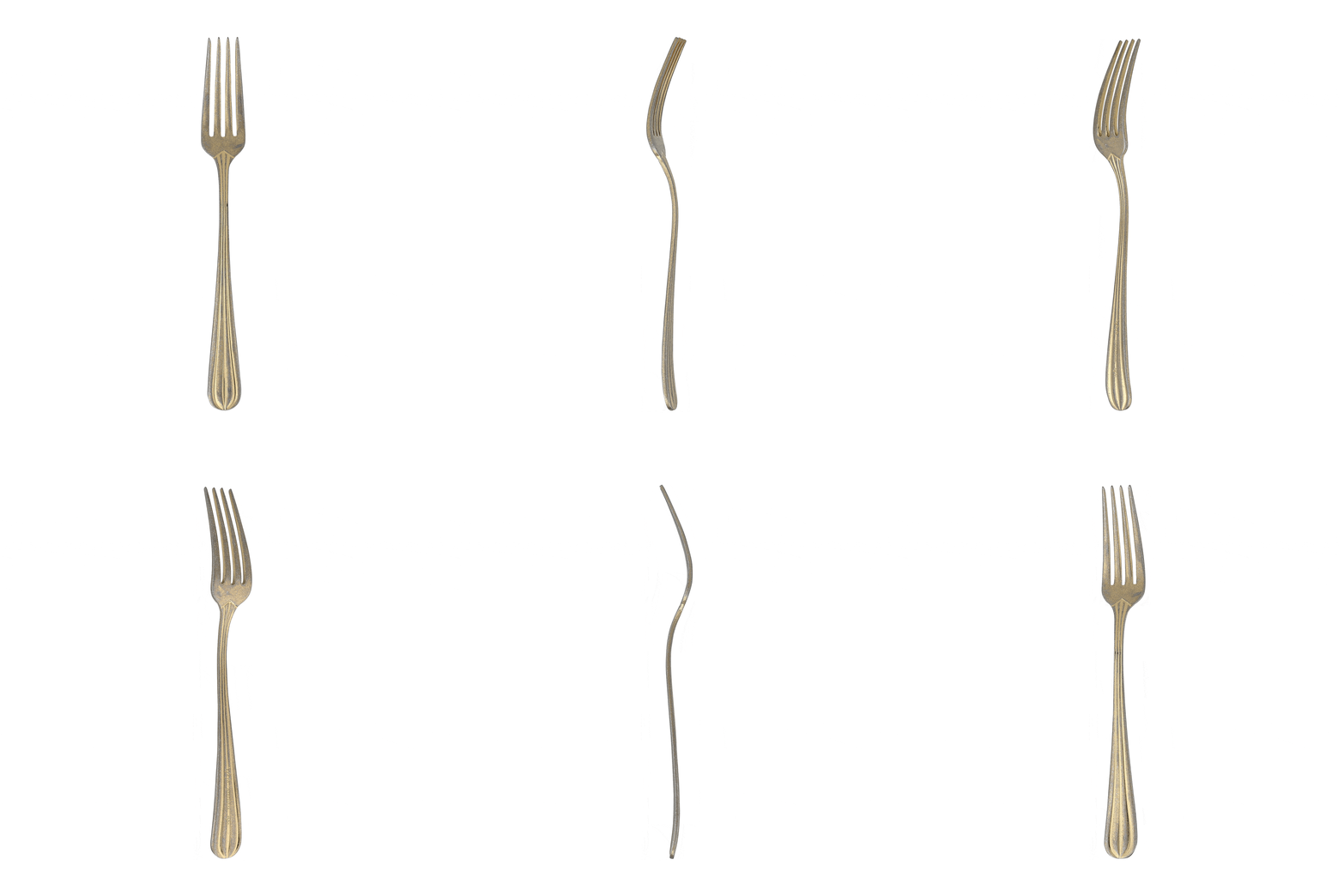
Jednou z největších výhod nerezových příborů je jejich vhodnost do myčky nádobí. Můžete je hodit do myčky bez obav z zašpinění nebo poškození, což šetří čas a úsilí. Také dobře odolávají škrábancům a promáčknutím, takže vaše sada vypadá dobře po mnoho let. Pro ty, kteří preferují moderní, minimalistický vzhled, jsou oblíbené kartáčované nebo matné povrchy, zatímco leštěné povrchy nabízejí klasický zrcadlový lesk. Sada Crescent Four-Person Flatware Settings od Year & Day je příkladem elegance a praktičnosti vysoce kvalitní nerezové oceli s elegantním, moderním designem, který dokonale vyvažuje hmotnost a rovnováhu.
- Odolné a odolné vůči rzi, korozi a skvrnám
- Vhodné do myčky a nenáročné na údržbu
- Dostupné v různých povrchových úpravách (leštěné, matné, kartáčované)
- Dostupné ceny za vysoce kvalitní sady
Stříbřené příbory: Nadčasová elegance pro zvláštní příležitosti
Stříbřené příbory nabízejí nádhernou krásu sterlingového stříbra za zlomek ceny. Vyrábějí se potažením základního kovu (obvykle mosazi nebo nerezové oceli) tenkou vrstvou stříbra elektrolytickým pokovováním. Výsledkem je teplý, reflexní povrch, který dodává každé tabuli nádech sofistikovanosti. Stříbřené kousky jsou často těžší než nerezová ocel, což jim dodává podstatný, prémiový pocit, který mnoho hostitelů oceňuje.
Stříbřené příbory však vyžadují více péče než nerezová ocel. Časem mohou zčernat, když jsou vystaveny vzduchu a určitým potravinám (jako jsou vejce, cibule a kyselé ovoce). K udržení lesku je nutné pravidelné leštění stříbrným hadříkem nebo speciálním čisticím prostředkem. Stříbřené příbory také obvykle nejsou vhodné do myčky nádobí, protože agresivní čisticí prostředky a vysoké teploty mohou urychlit zčernání a opotřebení pokovení. Pokud jste ochotni investovat trochu času navíc do údržby, stříbřené příbory se mohou stát cenným dědictvím. Pro ty, kteří hledají klasický vzhled bez vysoké ceny sterlingového stříbra, zůstávají oblíbenou volbou.
- Krásný, teplý lesk připomínající sterlingové stříbro
- Těžší a podstatnější pocit
- Vyžaduje pravidelné leštění, aby se zabránilo zčernání
- Není vhodné do myčky; doporučuje se ruční mytí
Titanové příbory: Moderní síla a lehký design
Titanové příbory jsou novějším přírůstkem do světa stolování, známé svým neuvěřitelným poměrem pevnosti a hmotnosti a jedinečným vzhledem. Titan je lehký kov, který je pevnější než ocel, ale v ruce působí téměř beztížně. Díky tomu je vynikající volbou pro ty, kteří preferují obratné, snadno ovladatelné nádobí, zejména pro děti nebo osoby s omezenou silou rukou. Titan je také vysoce odolný vůči korozi, rzi a škrábancům a je zcela nereaktivní, což znamená, že nepřenáší žádnou kovovou chuť do jídla.
Jednou z nejvýraznějších vlastností titanových příborů je jejich barva. Prostřednictvím procesu anodizace může být titan upraven v řadě živých odstínů, od tmavě modré a fialové po zlatou a bronzovou, což nabízí současnou estetiku, která vynikne. Titanové příbory však bývají dražší než nerezová ocel a může být obtížnější je najít. Také nejsou tak široce dostupné v tradičních vzorech. Pro ty, kteří oceňují inovace a chtějí odolnou, lehkou alternativu, je titan vzrušující volbou. Zatímco současná kolekce příborů Year & Day se zaměřuje na nerezovou ocel, závazek značky ke kvalitním materiálům je patrný v sadě Classic Big Spoon Set, která předvádí výjimečný design a řemeslné zpracování.
- Extrémně lehké, přesto pevné a odolné
- Hypoalergenní a nereaktivní
- Dostupné v jedinečných, barevných povrchových úpravách
- Vyšší cena a omezený výběr vzorů
Srovnání materiálů příborů: Klíčové faktory ke zvážení
Při rozhodování mezi nerezovou ocelí, stříbřenými kovy a titanovými příbory zvažte své priority. Pro každodenní použití a nízké nároky na údržbu je jasným vítězem nerezová ocel. Nabízí nejlepší rovnováhu mezi odolností, cenou a snadnou péčí. Stříbřené příbory jsou ideální pro formální stolování a pro ty, kteří oceňují tradiční eleganci, ale připravte se na extra péči, kterou vyžadují. Titan oslovuje modernisty a outdoorové nadšence, kteří oceňují lehkou pevnost a jedinečné barvy.
Dalším faktorem je hmotnost a vyváženost nádobí. Těžší příbory často působí luxusněji, ale lehčí možnosti mohou být pohodlnější při dlouhých jídlech. Nerezová ocel se může značně lišit v hmotnosti v závislosti na tloušťce, zatímco stříbřené bývají těžší a titan je nejlehčí. Nakonec myslete na své nádobí. Pokud často pořádáte venkovní setkání, možná budete preferovat odolnou, snadno čistitelnou nerezovou ocel. Pro soudržný vzhled zvažte spárování příborů s odpovídajícím jídelním nádobím, jako jsou Outdoor Big Platesod Year & Day, které jsou navrženy pro styl i odolnost.
- Nerezová ocel: nejlepší pro každodenní použití, vhodná do myčky, cenově dostupná
- Stříbřené: nejlepší pro formální příležitosti, vyžaduje leštění, klasický vzhled
- Titan: nejlepší pro lehký, barevný, moderní design, drahý
Jak pečovat o své příbory bez ohledu na materiál
Správná péče prodlužuje životnost a vzhled vašich příborů. U nerezové oceli se vyhněte dlouhodobému kontaktu s kyselými potravinami a po použití je opláchněte. I když je většina nerezové oceli vhodná do myčky, ruční sušení může zabránit vodním skvrnám. U stříbřených příborů vždy myjte ručně jemným mýdlem a teplou vodou a poté okamžitě osušte měkkým hadříkem. Stříbřené kousky skladujte v tkanině proti zčernání nebo v krabici, abyste minimalizovali vystavení vzduchu.
Titanové příbory se udržují nejsnáze – odolávají zčernání a korozi a stačí jim jednoduché mytí mýdlem a vodou. Vyhněte se však abrazivním čisticím prostředkům, které by mohly poškrábat anodizovaný povrch. Bez ohledu na to, který materiál si vyberete, správné skladování je klíčové. Použijte organizér na příbory nebo roli, abyste zabránili poškrábání, a pokud je to možné, udržujte kousky oddělené. Při správné péči mohou vaše příbory zůstat krásné po celá desetiletí.
- Stříbřené příbory myjte ručně; nerezová ocel a titan jsou vhodné do myčky
- Okamžitě osušte, abyste zabránili vodním skvrnám a zčernání
- Skladujte v organizéru na příbory nebo v tkanině proti zčernání
Výběr nejlepšího materiálu příborů závisí na vašem životním stylu a vkusu. Nerezová ocel nabízí nepřekonatelnou praktičnost, stříbřené přinášejí nadčasovou eleganci a titan přináší moderní inovace. Pro všestrannou, každodenní sadu, která kombinuje styl s odolností, prozkoumejte Crescent Four-Person Flatware Settings od Year & Day – jsou perfektním výchozím bodem pro vytvoření stolu, který si zamilujete.


